
Filter
Showing 157–168 of 225 resultsSorted by latest
Sort:
Show:


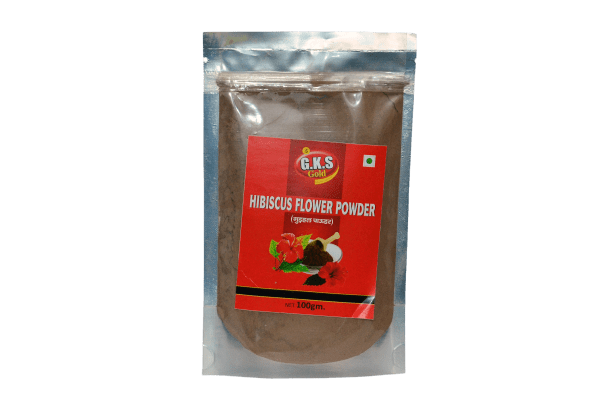
Benefits of Hibiscus Tea
Hibiscus tea is an herbal tea that’s made by steeping parts of the hibiscus plant in boiling water.
It has a tart flavor similar to that of cranberries and can be enjoyed both hot and cold.
There are several hundred species of hibiscus varying by the location and climate they grow in, but Hibiscus sabdariffa is most commonly used to make hibiscus tea.
Research has uncovered a range of health benefits linked to drinking hibiscus tea, showing that it may lower blood pressure, fight bacteria and even aid weight loss.
This article reviews 8 benefits of drinking hibiscus tea.
Antioxidants are molecules that help fight compounds called free radicals, which cause damage to your cells.
Hibiscus tea is rich in powerful antioxidants and may therefore help prevent damage and disease caused by the buildup of free radicals.
In one study in rats, hibiscus extract increased the number of antioxidant enzymes and reduced the harmful effects of free radicals by up to 92%
Another rat study had similar findings, showing that parts of the hibiscus plant, such as the leaves, possess potent antioxidant properties (2).
However, keep in mind that these were animal studies that used concentrated doses of hibiscus extract. More studies are needed to determine how antioxidants in hibiscus tea may affect humans.
One of the most impressive and well-known benefits of hibiscus tea is that it may lower blood pressure.
Over time, high blood pressure can place extra strain on the heart and cause it to weaken. High blood pressure is also associated with an increased risk of heart disease (3).
Several studies have found that hibiscus tea may lower both systolic and diastolic blood pressure.
In one study, 65 people with high blood pressure were given hibiscus tea or a placebo. After six weeks, those who drank hibiscus tea had a significant decrease in systolic blood pressure, compared to the placebo .
Similarly, a 2015 review of five studies found that hibiscus tea decreased both systolic and diastolic blood pressure by an average of 7.58 mmHg and 3.53 mmHg, respectively
While hibiscus tea may be a safe and natural way to help lower blood pressure, it is not recommended for those taking hydrochlorothiazide, a type of diuretic used to treat high blood pressure, as it may interact with the drug .
In addition to lowering blood pressure, some studies have found that hibiscus tea may help lower blood fat levels, which are another risk factor for heart disease.
In one study, 60 people with diabetes were given either hibiscus tea or black tea. After one month, those who drank hibiscus tea experienced increased “good” HDL cholesterol and decreased total cholesterol, “bad” LDL cholesterol
Another study in those with metabolic syndrome showed that taking 100 mg of hibiscus extract daily was associated with decreased total cholesterol and increased “good” HDL cholesterol
However, other studies have produced conflicting results regarding hibiscus tea’s effects on blood cholesterol.
In fact, a review of six studies including 474 participants concluded that hibiscus tea did not significantly reduce blood cholesterol or triglyceride levels (9).
Furthermore, most studies showing a benefit of hibiscus tea on blood fat levels have been limited to patients with specific conditions like metabolic syndrome and diabetes.
More large-scale studies examining the effects of hibiscus tea on blood cholesterol and triglyceride levels are needed to determine its potential effects on the general population.
From producing proteins to secreting bile to breaking down fat, your liver is essential to your overall health.
Interestingly, studies have shown that hibiscus may promote liver health and help keep it working efficiently.
One study in 19 overweight people found that taking hibiscus extract for 12 weeks improved liver steatosis. This condition is characterized by the accumulation of fat in the liver, which can lead to liver failure
A study in hamsters also demonstrated the liver-protecting properties of hibiscus extract, showing that treatment with hibiscus extract decreased markers of liver damage
Another animal study reported that giving rats hibiscus extract increased the concentration of several drug-detoxifying enzymes in the liver by up to 65%
However, these studies all assessed the effects of hibiscus extract, rather than hibiscus tea. Further research is needed to know how hibiscus tea affects liver health in humans.
Several studies suggest that hibiscus tea may be associated with weight loss and protect against obesity.
One study gave 36 overweight participants either hibiscus extract or a placebo. After 12 weeks, hibiscus extract reduced body weight, body fat, body mass index and hip-to-waist ratio
An animal study had similar findings, reporting that giving obese mice hibiscus extract for 60 days led to a reduction in body weight
Current research is limited to studies using concentrated doses of hibiscus extract. More studies are needed to determine how hibiscus tea may influence weight loss in humans.
Hibiscus is high in polyphenols, which are compounds that have been shown to possess powerful anti-cancer properties
Test-tube studies have found impressive results regarding the potential effect of hibiscus extract on cancer cells.
In one test-tube study, hibiscus extract impaired cell growth and reduced the invasiveness of mouth and plasma cell cancers
Another test-tube study reported that hibiscus leaf extract prevented human prostate cancer cells from spreading
Hibiscus extract has also been shown to inhibit stomach cancer cells by up to 52% in other test-tube studies
Keep in mind that these were test-tube studies using high amounts of hibiscus extract. Research in humans is needed to evaluate the effect of hibiscus tea on cancer.

Original price was: ₹175.00.₹150.00Current price is: ₹150.00.

Grown since the beginning of civilization, flax seeds are one of the oldest crops. There are two types, brown and golden, which are equally nutritious.
A typical serving size for ground flax seeds is 1 tablespoon (7 grams).
Just one tablespoon provides a good amount of protein, fiber and omega-3 fatty acids, in addition to being a rich source of some vitamins and minerals.
One tablespoon of ground flax seeds contains the following (1):
If you are a vegetarian or don't eat fish, flax seeds can be your best source of omega-3 fats.
They are a rich source of alpha-linolenic acid (ALA), a mostly plant-based omega-3 fatty acid (2).
ALA is one of the two essential fatty acids that you have to obtain from the food you eat, as your body doesn't produce them.
Animal studies have shown that the ALA in flax seeds prevented cholesterol from being deposited in the blood vessels of the heart, reduced inflammation in the arteries and reduced tumor growth (3, 4, 5).
A Costa Rican study involving 3,638 people found that those who ate more ALA had a lower risk of heart attack than those who consumed less ALA
Also, a large review of 27 studies involving more than 250,000 people found that ALA was linked to a 14% lower risk of heart disease
Numerous studies have also linked ALA to a lower risk of stroke
Furthermore, a recent review of observational data concluded that ALA had heart health benefits comparable to eicosapentaenoic acid (EPA) and docosahexaenoic acid (DHA), two of the more well-known omega-3 fats
Lignans are plant compounds that have antioxidant and estrogen properties, both of which can help lower the risk of cancer and improve health
Interestingly, flax seeds contain up to 800 times more lignans than other plant foods
Observational studies show that those who eat flax seeds have a lower risk of breast cancer, particularly postmenopausal women
Additionally, according to a Canadian study involving more than 6,000 women, those who eat flax seeds are 18% less likely to develop breast cancer
However, men can also benefit from eating flax seeds.
In a small study including 15 men, those given 30 grams of flax seeds a day while following a low-fat diet showed reduced levels of a prostate cancer marker, suggesting a lower risk of prostate cancer
Flax seeds also appeared to have the potential to prevent colon and skin cancers in laboratory and animal studies. Yet, more research is needed to confirm this
Nevertheless, the evidence thus far points to flax seeds being a potentially valuable food in the fight against various cancers.
Lignans are plant compounds that have antioxidant and estrogen properties, both of which can help lower the risk of cancer and improve health
Interestingly, flax seeds contain up to 800 times more lignans than other plant foods
Observational studies show that those who eat flax seeds have a lower risk of breast cancer, particularly postmenopausal women
Additionally, according to a Canadian study involving more than 6,000 women, those who eat flax seeds are 18% less likely to develop breast cancer
However, men can also benefit from eating flax seeds.
In a small study including 15 men, those given 30 grams of flax seeds a day while following a low-fat diet showed reduced levels of a prostate cancer marker, suggesting a lower risk of prostate cancer
Flax seeds also appeared to have the potential to prevent colon and skin cancers in laboratory and animal studies. Yet, more research is needed to confirm this
Nevertheless, the evidence thus far points to flax seeds being a potentially valuable food in the fight against various cancers.
