
Trending Products
Soon stocks will run out
Dont miss this opportunity while supplies last.
Original price was: ₹325.00.₹270.00Current price is: ₹270.00.

Original price was: ₹350.00.₹240.00Current price is: ₹240.00.

Original price was: ₹850.00.₹820.00Current price is: ₹820.00.

Original price was: ₹90.00.₹60.00Current price is: ₹60.00.

Original price was: ₹190.00.₹170.00Current price is: ₹170.00.

Original price was: ₹55.00.₹40.00Current price is: ₹40.00.
Filter
Showing 157–168 of 202 resultsSorted by latest
Sort:
Show:

Original price was: ₹290.00.₹270.00Current price is: ₹270.00.

Original price was: ₹150.00.₹125.00Current price is: ₹125.00.

Lime always seems to be overshadowed by lemon when citrus is called for in a particular dish or even cleaning products. However, these beautiful green fruits boast just as many nutritional benefits as their yellow colored cousin.
Lime essential oil is often used in aromatherapy blends due to its stimulating and refreshing scent, but that’s not all it is good for! Lime essential oil is an astringent, antiviral, antiseptic, antibacterial and a disinfectant. Due to all of these properties, this versatile essential oil can be used to cure infections, reduce fever, disinfect food and surfaces, and prevent signs of aging – to say the least!1 Lime essential oil boasts a lot of health benefits and is a great addition to your daily routine. You can find this oil and more in portable diffusers like Ocean and Forest MONQ.

The plant bears flowers which are small, yellowish and grow on long white clusters. The fruits are 1-2 inch long, oval and the back surface has 5 prominent stripes. The fruits which are plucked before seed formation are known as Harad. These are dark yellow. The fruits which are plucked when completely ripe are known as big Harad.
Every fruit has one seed. The plant sheds its leaves in February-March, gets flowers in April-May and fruit in winters. Ripe fruits are collected from January to April.
Where the plants are found?
Harad tree is found in hilly areas and forests up to heights of 5000 ft. Basically, it is found in lower Himalayan areas from Ravi banks to Western Bengal, Assam and in the forests of high land areas.Chemical composition of Black Myrobalan:
The fruit has 24-32% tannin. In addition, 18 amino acids and small amounts of phosphoric, succinic, quininc and shikimik acids are present in it. As the fruits ripe, the quantity of tannin decreases and the amount of toxins increases. A yellow oil comes from the kernel of the seed. The tree also exudes a kind of gum. According to Sushrat and Caraka Samhitas, Harad is of 7 types. At present, it is available in only 3 varieties which are the fruits of the same tree differing in age.
Ayurveda has been known to treat innumerable ailments for centuries and continues to do so by its age old practice of balancing the various systems in our body through herbal treatments. One such unique herb is Brahmi which has often been regarded as a brain booster. Brahmi is a small succulent herb with numerous branches, rooting at the nodes, found at elevations from sea level to altitudes of 4400 feet. It grows naturally in wet soil, shallow water and marshes. It has small flowers that are light purple or white in color with not more than four or five petals. The whole plant including the flowers can be used for medicinal purposes. It has a bitter and sweet taste and is known to impart a cooling energy.
Brahmi is a therapeutic herb commonly used as a memory enhancer, aphrodisiac and a health tonic. According to Dr. Akhilesh Sharma, Ayurvedic Expert, “Brahmi is excellent for improving your brain functions and strengthening your memory. It enhances the three aspects of memory which include long term memory, short term memory and the retaining capacity. Brahmi has a cooling property which keeps the mind calm and free of anxiety. It also promotes sound sleep." Here are eight wonderful benefits of Brahmi and how it can help you achieve good health.

Chia seeds are tiny black seeds from the plant Salvia hispanica, which is related to the mint.
Chia seeds were an important food for the Aztecs and Mayans back in the day.
They prized them for their ability to provide sustainable energy. In fact, "chia" is the ancient Mayan word for "strength."
Despite their ancient history as a dietary staple, chia seeds became recognized as a modern-day superfood only recently.
In the past few years, they have exploded in popularity and are now consumed by health conscious people all over the world.
Don't be fooled by the size — these tiny seeds pack a powerful nutritional punch.
A one-ounce (28 grams) serving of chia seeds contains (1):
- Fiber: 11 grams.
- Protein: 4 grams.
- Fat: 9 grams (5 of which are omega-3s).
- Calcium: 18% of the RDI.
- Manganese: 30% of the RDI.
- Magnesium: 30% of the RDI.
- Phosphorus: 27% of the RDI.
- They also contain a decent amount of zinc, vitamin B3 (niacin), potassium, vitamin B1 (thiamine) and vitamin B2.
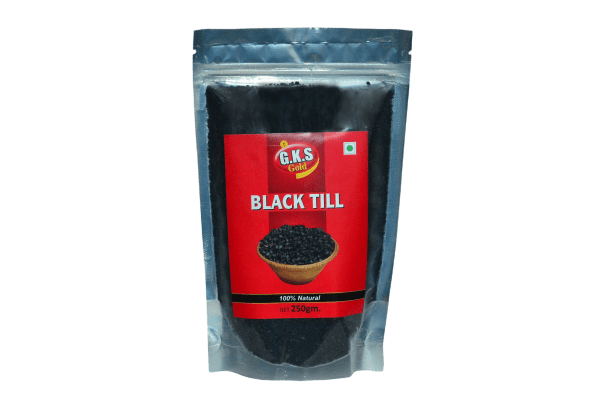
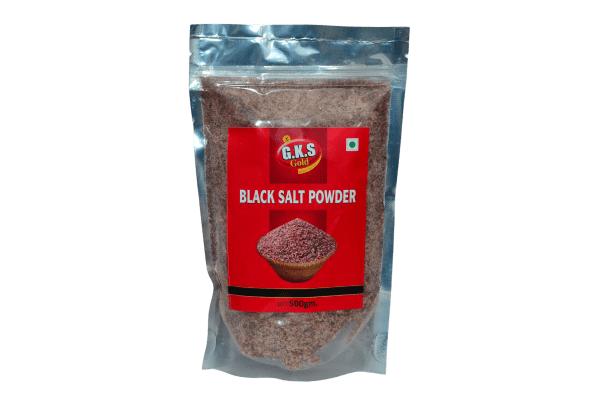
Ever tried putting a pinch of black salt under your tongue to ward off the feeling of nausea? Or used it as a additive in your child’s honey-medicine dose? Be it a salad or pasta, adding black salt to a dish enhances its taste and flavor. But did you know that there are many less known benefits and uses of black salt? This healthier cousin of table salt is full of additional nutrients and minerals, thus making it an important part of our kitchen shelf.
Read on to know more about the different black salt benefits.
Indian black salt, extensively referred to as kala namak, is a variety of Indian volcanic stone salt. It is popular in India, Pakistan, and nations all across the world because of its twisted taste and easy availability. This special variety of salt has its origin in the Himalayan ranges and is used in Indian dishes for cooking and garnishing.
Due to the presence of iron and other minerals, the salt is pinkish gray in color. It contains a unique sulfurous component that is frequently compared to boiled egg yolks and is super healthy.
Other than providing a distinct flavor to dishes, black salt is popular for its health benefits as well as its capacity to store food. Its health benefits are countless, but the claims are highly sketchy since no scientific research has yet been conducted on this salt. It is often recommended for individuals with high blood pressure and for those on low-salt diets. The reason behind this is that it is low in sodium and doesn’t enhance the sodium level in your blood. It also relieves heartburn and intestinal gas. In short, it boosts your overall digestive system.
There as several other skin, health, and hair benefits of black salt that we have compiled in this article. Let’s take a look at them.


- Cardiac health: Arjuna is a well-known heart tonic and cardio-protective herb. It strengthens the heart muscles and treats the cardiac debility. It also increases the coronary artery flow and protects the heart muscles from ischemic damage. It is suggested to use its decoction with milk or ghee or clarified butter. Arjuna is the best known ayurvedic herb for the heart.
- Piles: The medicinal wine of arjuna bark, dhataki and manuka-blackraisins is helpful in treating of bleeding piles and leucorrhoea. The patient should to take 2-4 teaspoons twice a day.
- Body odour: The powder made of equal proportion each of arjuna flowers, Jambu leaves and Lodhra bark when applied over the body, helps to remove body odour.
- Fractures: When the paste of the bark is applied over the fractures, helps to promote early healing.
- Pimples: Apply the paste of arjuna or in combination with other herbs along with milk helps to reduces pimples (acne).
- Black spots: Apply the mix of the powder of arjuna bark and manjistha (Rubria cordifolia) root with honey over the face, helps to remove the blackspots and makes the face blooming like lotus.
- Teeth cleansing: Arjuna twig is used for teeth-cleansing.
- High Blood Pressure: The medicinal herb has diuretic properties, reduces the chances of clot formation, lowers blood lipid thereby helpful in treating of high blood pressure.
- Chest Pain: The use of the bark of the herb is beneficial in curing of chest pain.
- Breast cancer: The herb contains a substance called casuarinin that seems to prevent breast cancer.

Arjuna is a well-known heart tonic, and treated as panacea for all the problems, diseases and disorders of heart. It possesses the special properties of strengthening the heart muscles thereby treats cardiovascular ailments In nut shell, it is the Ramban for all the heart problems. It is also good for asthma, hypertension and kidney stones. Arjuna is the best known ayurvedic herb for the heart.
